
Lựa chọn giữa gia công tiện đứng và tiện ngang dựa trên yêu cầu của phôi
When purchasing turning equipment, both vertical and horizontal lathes may be considered by manufacturers. For some workpieces, either machine may offer the required machining capability. Therefore, the real question is not which machine is “better,” but which machine structure is better suited to the actual machining task.
Many purchasing decisions begin with workpiece dimensions. However, for turning operations, it is also important to consider how the workpiece is positioned after being loaded onto the machine, how it is supported, how the machining areas can be accessed, and how the machine fits into the production process.
Therefore, when making a turning machine selection, instead of directly comparing the advantages and disadvantages of vertical and horizontal turning, it is more useful to start with the workpiece and machining requirements and understand which type of turning layout is better suited to the specific production task.
1. Start with the Workpiece After It Is Loaded onto the Machine
Machine setup determines how a part is clamped on the machine tool. Therefore a piece of the same workpiece can be set up differently in a machine.
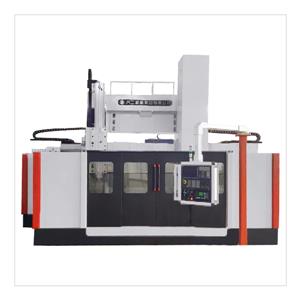
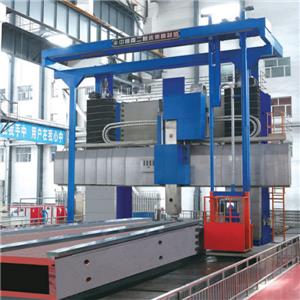
A major characteristic of vertical turning is that the workpiece is placed on a horizontally turning table. When machining large-diameter, heavy, and short workpieces, with this arrangement, the workpiece rests on the table while the table provides support and the gravity helps.
However, this is not saying that all large workpieces must be machined by the vertical lathe. The buyer should still consider the shape of the product, its weight distribution and the regions to be machined.
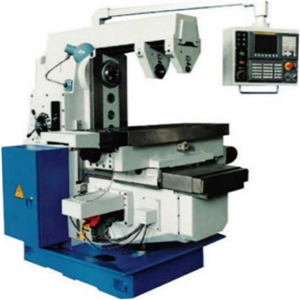
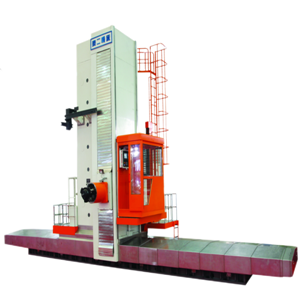
By comparison, horizontal turning uses a different machine layout. These machines use a horizontally arranged spindle and tooling system to rotate and machine the workpiece, and can accommodate workpieces with different shapes and dimensions.
Therefore, the difference between the two configurations is first reflected in how the workpiece is positioned and machined after entering the machine, rather than simply being a difference in equipment level.
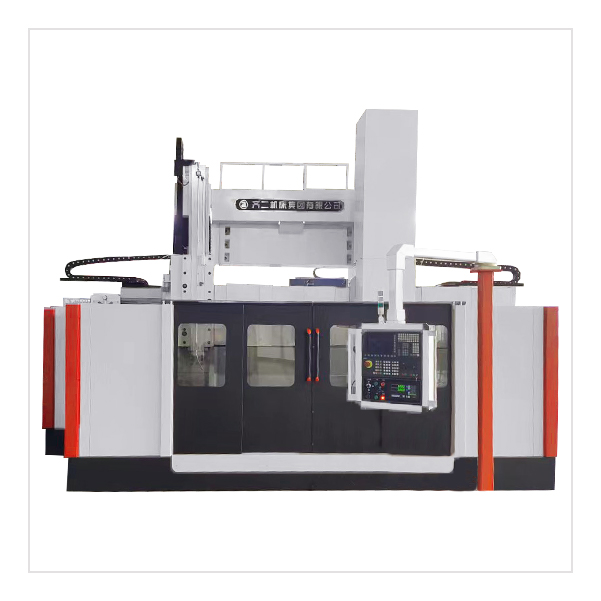
2. Vertical Turning: When the Workpiece Requires Stable Support
For large-diameter, heavy, and relatively short rotational workpieces, vertical turning lathes are often worth considering first.
This machine is tailored for the processing of bulky, high-density, and non-uniform parts. The workpiece is laid on top of the rotating table horizontally with gravity providing the help in keeping the workpiece fixed at its position in a stable condition. Besides that, this machine layout is highly associated with workpiece holding stability and load capacity, so that it becomes a particularly good fit for a certain kind of large rotary parts.
Buyers can pay particular attention to:
·Whether the workpiece has a relatively large turning diameter;
·Whether the workpiece is relatively heavy;
·Whether stable horizontal support is required after the workpiece is loaded;
·Whether the main machining areas are suitable for a vertical turning layout.
If these factors match the actual machining requirements, vertical turning is worth including in the main comparison.
However, the key point is not that “the larger the workpiece, the more it should be machined vertically.” Instead, the workpiece dimensions, weight, shape, and workholding condition should be considered together to determine whether this machine layout is appropriate.
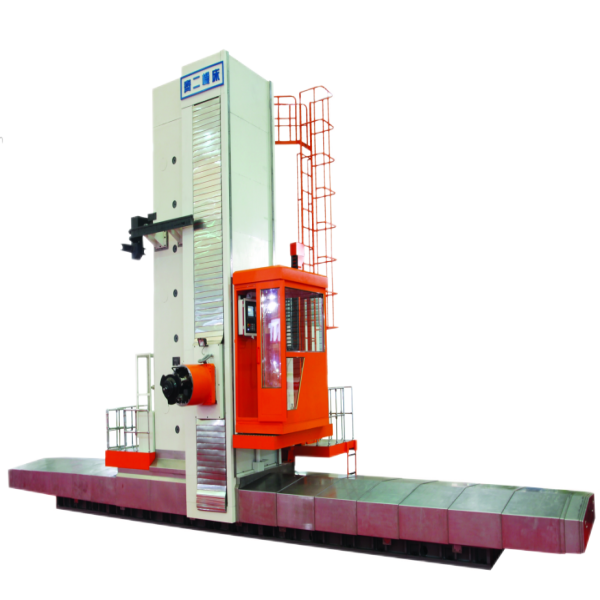
3. Horizontal Turning: When the Machining Task Fits a Horizontal Layout
Horizontal turning also has its own suitable applications and should not simply be viewed as an alternative to vertical turning.
Horizontal lathes use a horizontally arranged spindle to rotate the workpiece during machining and can accommodate workpieces with different shapes and dimensions. These machines are widely used for high-precision machining and can meet different machining requirements through different designs and sizes.
Therefore, when the workpiece shape, machining direction, and existing production method are better suited to a horizontal layout, horizontal turning can also be a reasonable choice.
It is important not to exclude horizontal turning simply because the workpiece is relatively large. The actual selection should still take into account the workpiece length, shape, workholding method, and main machining areas.
In other words, horizontal turning is not limited to one particular workpiece size. It should be evaluated according to the specific machine configuration and actual machining requirements.
4. Bring the Final Decision Back to the Actual Machining Task
When both vertical and horizontal configurations are being considered, the most useful approach is not to compare a long list of specifications, but to match the actual machining task with the machine structure step by step.
Buyers can follow this sequence:
(1) look at the workpiece.
Confirm the workpiece diameter, length, weight, shape, and main machining areas.
(2) look at workholding.
Determine how the workpiece needs to be positioned, located, and supported after it is loaded onto the machine.
(3) look at the machining direction.
Identify where the main machining surfaces are located and from which direction the cutting tool needs to approach the workpiece.
(4) look at the production method.
Consider the existing loading and unloading methods, operating practices, and production process to determine which machine layout can be integrated more naturally into actual production.
(5) compare specific machine models.
Once the basic machine structure has been determined, further compare the machining range, tooling configuration, table or spindle capabilities, and other specific configurations of vertical turning lathes where applicable.
This approach can prevent buyers from assigning labels such as “suitable for large workpieces” or “suitable for ordinary workpieces” too early in the purchasing process. What really needs to be evaluated is whether the actual machining condition of the workpiece is well matched to the machine structure.
Conclusion
There is no absolute answer as to whether vertical or horizontal turning is suitable for every workpiece.
With regards to workpieces of large diameter and considerable weight, if they are able to be supported upon a horizontal rotating table, then perhaps the use of a vertical arrangement will reveal structural features worthy of some consideration. For the rest of the workpieces, the possibility of an horizontal arrangement and its machine settings have to be checked based, besides other factors, on workpiece shape, machining orientation, workholding method, and production needs.
Therefore, a reasonable turning equipment selection should not begin with the question of “which one is better?” It should begin with a more practical question: which one is better suited to my workpiece and machining requirements?
If you are comparing vertical turning lathes with horizontal turning solutions, feel free to contact us to discuss a suitable equipment configuration based on your actual workpieces, machining requirements, and production needs.